In a groundbreaking 2015 study, researchers used an innovative DNA analysis technique to trace the remains of three 17th-century enslaved Africans back to their countries of origin—Cameroon, Ghana, and Nigeria—for the first time.
Published in the Proceedings of the National Academy of Sciences, the study marks a major advance in efforts to uncover the precise origins of the 12 million Africans forcibly transported to the Americas between 1500 and 1850. While historical shipping records often name the ports where enslaved people were embarked, they rarely reveal the inland regions or ethnic groups they came from.
The remains—those of two men and a woman—were unearthed in 2010 during a beachside construction project in Philipsburg, St. Martin, in an area known as Zoutsteeg. The individuals, now referred to as the Zoutsteeg Three, were buried in shallow, unmarked graves.
Initially, scientists feared that the hot, humid Caribbean climate would have degraded the DNA beyond recovery. But by using a cutting-edge method called whole genome capture, researchers were able to isolate and analyze fragments of ancient DNA. They then compared this data to genetic reference samples from 11 modern-day West African countries.
🇬🇭 Ghana3d.com Gateway Experience 360
Find your roots and rise — Ghana3d.com Gateway Experience 360 is your ultimate guide to cultural, historic, and soul-stirring adventures. Whether you're returning to your ancestral land or exploring Ghana for the first time, we offer curated journeys that connect you deeply to the spirit of West Africa. From powerful walks through Cape Coast & Elmina slave castles to the vibrant rhythms of Accra’s nightlife. From sacred village ceremonies to awe-inspiring natural beauty — your journey starts here.
- ✔ Instant Confirmation
- ✔ Free Cancellation
-
✔ Best Price Guarantee
You'll receive a full refund if you cancel at least 24 hours in advance of most experiences.
The results were remarkable. One individual was found to have come from a Bantu-speaking population in Cameroon, while the other two had ancestry linked to non-Bantu-speaking regions of Ghana and Nigeria.
“These findings provide the first direct genetic evidence of the ethnic origins of enslaved Africans from this era, filling a major gap in the historical record,” said lead author Hannes Schroeder of the Centre for GeoGenetics at the University of Copenhagen's Natural History Museum. “Genomic data is becoming a powerful tool for answering long-standing questions about African diaspora history.”
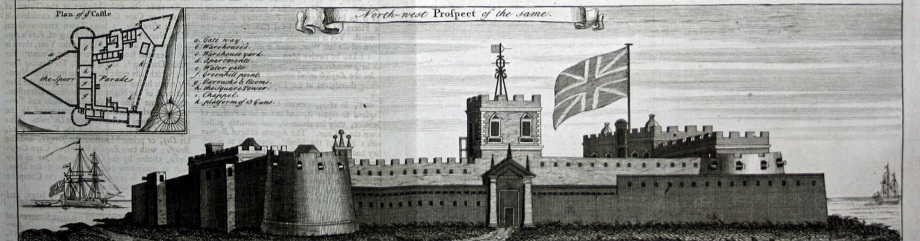
Cape Coast Castle in an old picture. British Gold Coast.