The Fante and Ga peoples, prominent coastal ethnic groups in what is now Ghana, played complex and significant roles in the transatlantic slave trade. As powerful trading societies with established kingdoms and access to European merchants, some factions among them engaged in the capture and sale of enslaved people—often those taken during conflicts or raids in the interior regions.
Find your roots and rise — Ghana3d.com Gateway Experience 360 is your ultimate guide to cultural, historic, and soul-stirring adventures. Whether you're returning to your ancestral land or exploring Ghana for the first time, we offer curated journeys that connect you deeply to the spirit of West Africa. From powerful walks through Cape Coast & Elmina slave castles to the vibrant rhythms of Accra’s nightlife. From sacred village ceremonies to awe-inspiring natural beauty — your journey starts here.
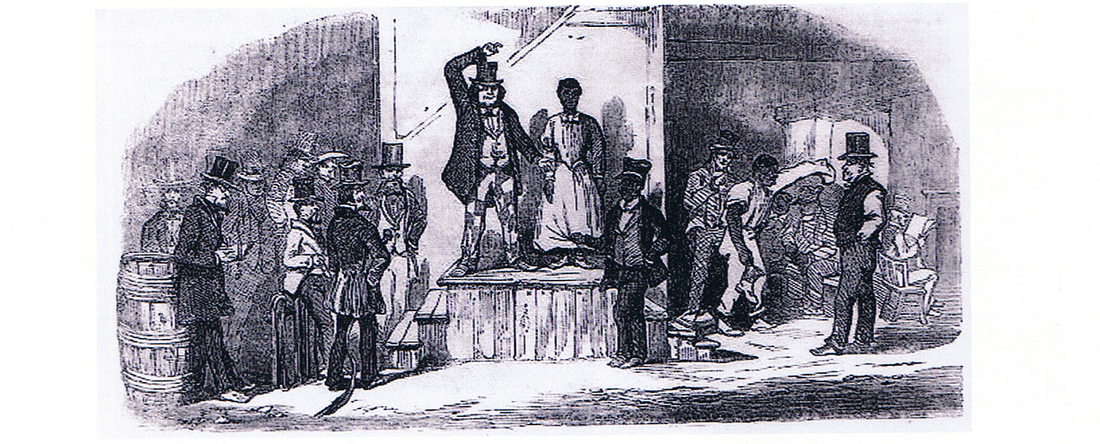
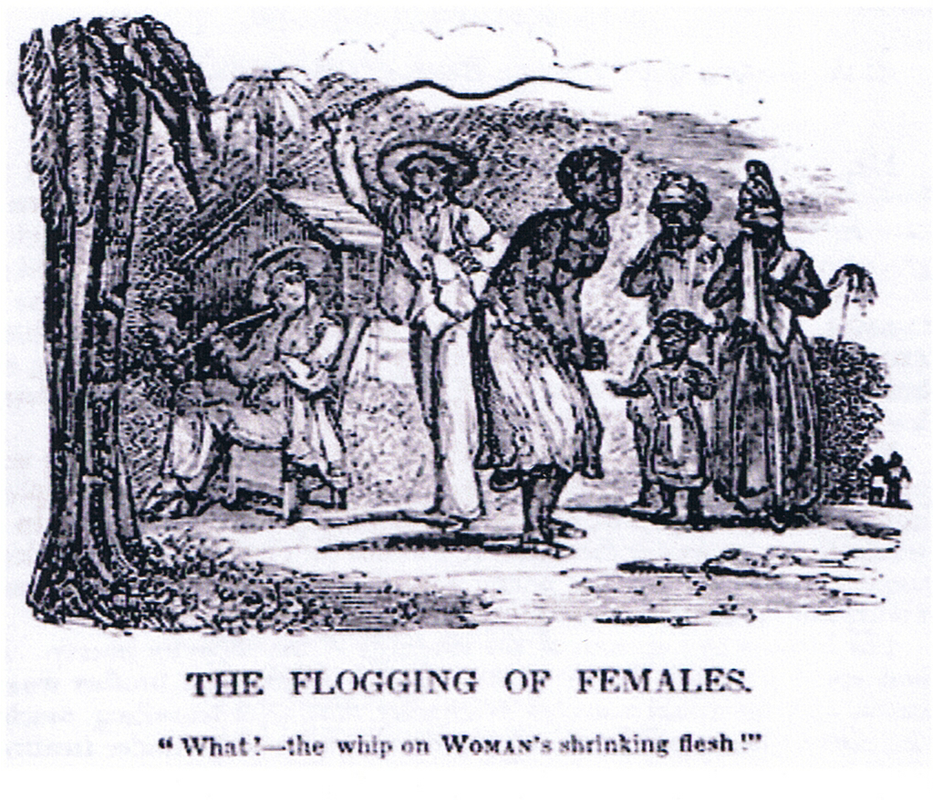
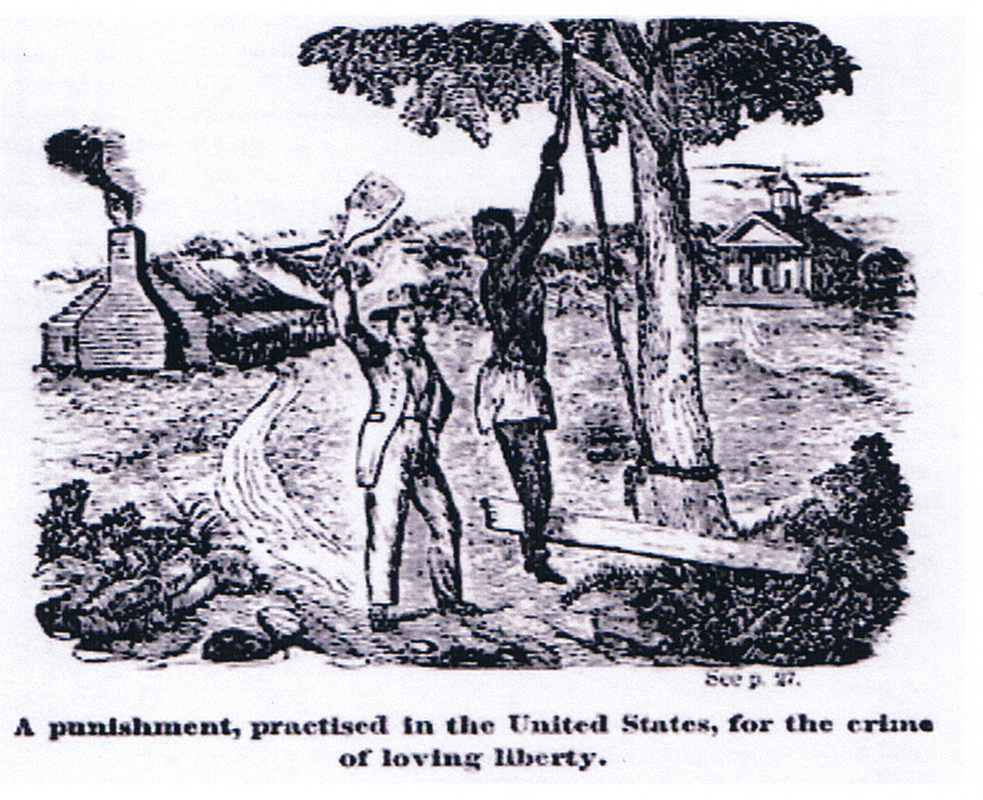
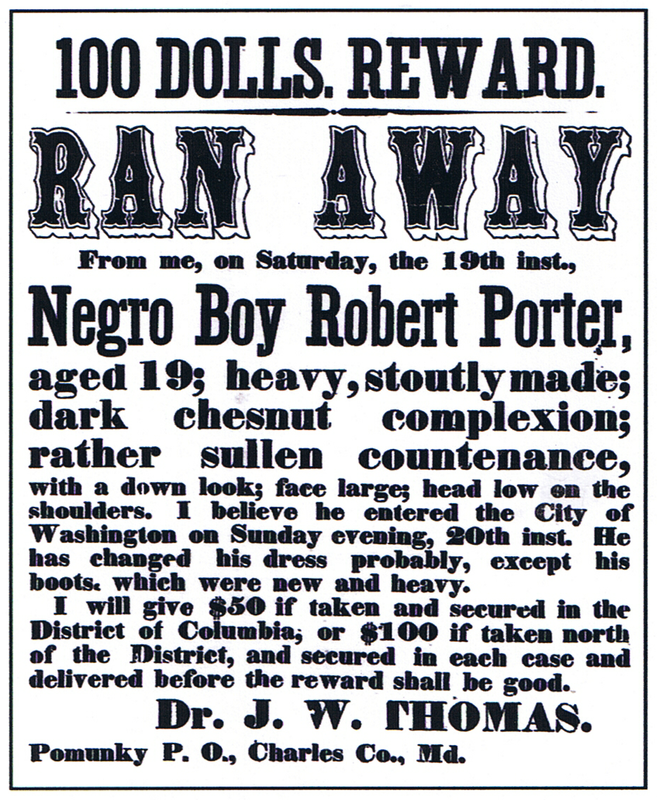
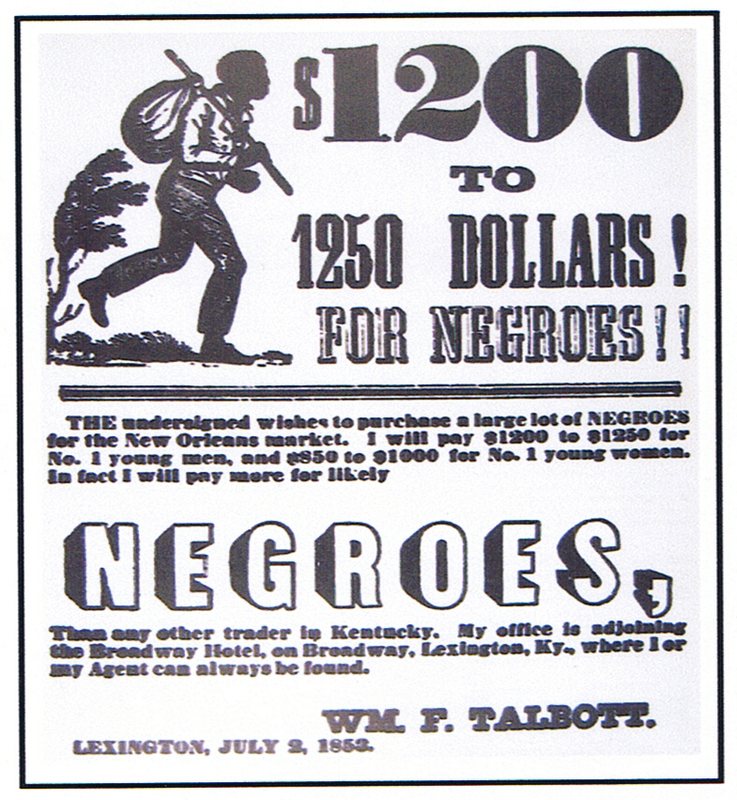
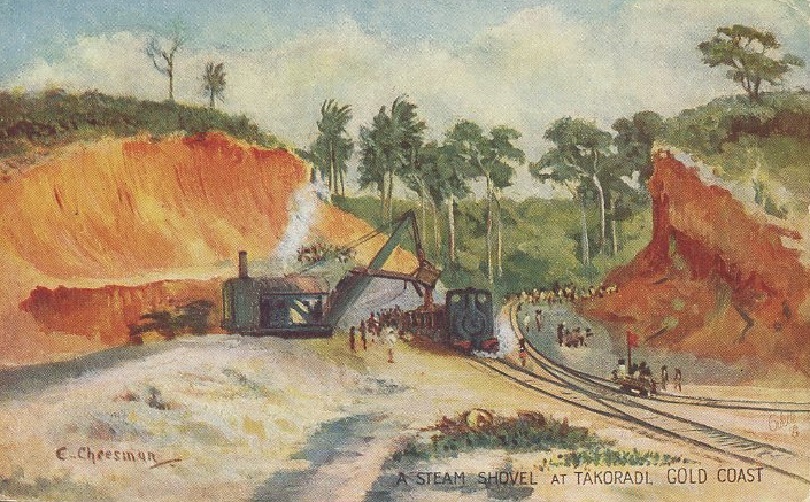

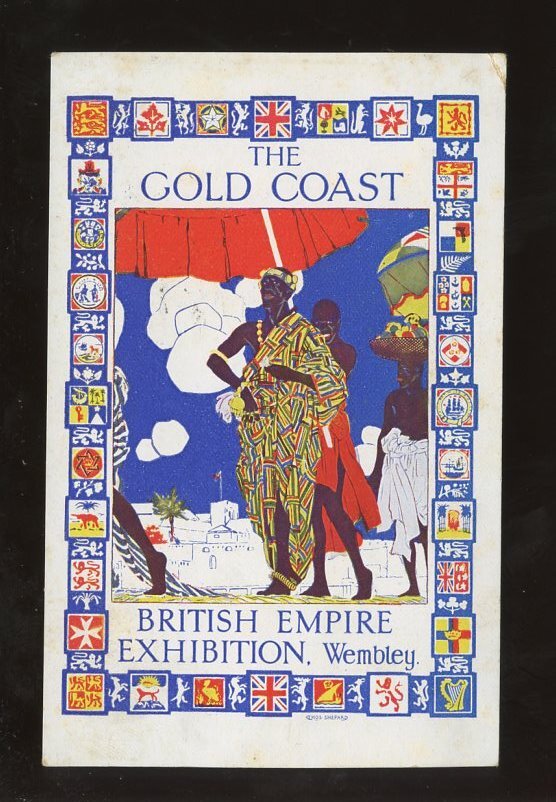
Many enslaved Africans who were shipped from the Gold Coast came from the northern parts of present-day Ghana, including the Upper East and Upper West Regions, as well as what is now Burkina Faso. These individuals were frequently transported south by caravan, eventually sold to European traders at coastal forts.
This historical connection has led some to speculate that if Michelle Obama, whose ancestry has been linked to Ghana, traces her lineage through the transatlantic slave trade, her roots may lie not in the coastal Fante or Ga regions, but in the northern territories—or even across the border in Burkina Faso—where many captives originated.
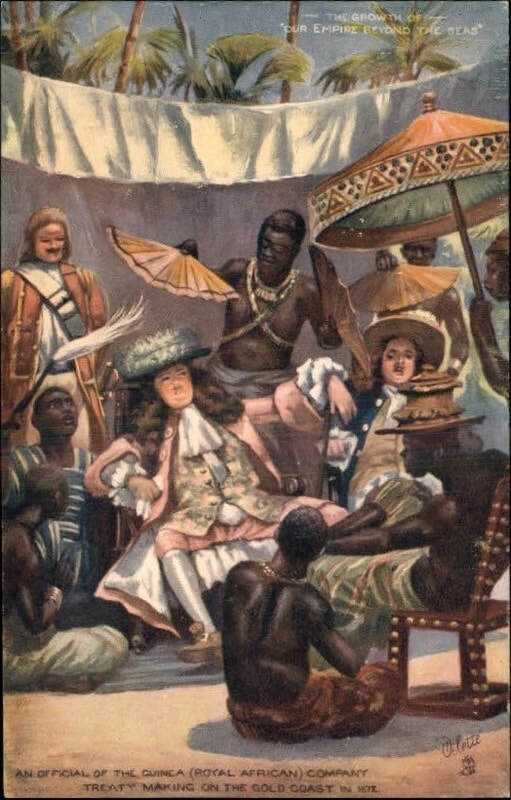
One of the most infamous departure points for enslaved Africans was Cape Coast Castle, a massive stone fort that served as the headquarters for British colonial trade on the West African coast. Just west of it stands Elmina Castle, built in 1482 by the Portuguese and recognized as the oldest European building in sub-Saharan Africa.
These castles, along with dozens of others along the coastline, functioned as holding pens where millions of Africans were imprisoned before being shipped across the Atlantic to the Americas, including the United States, Brazil, and the Caribbean.
The wealth generated from this brutal trade played a major role in the rise of British banks, shipping companies, and industries, fueling the economic growth of the British Empire. Entire fortunes were built on the exploitation and commodification of African lives.
Yet, in the centuries since the abolition of slavery, very little has been returned to the descendants of those who suffered. While there have been calls for reparations, official acknowledgments and restorative actions have been slow and limited. The legacy of the transatlantic slave trade remains deeply felt—not only in Ghana, but across the African diaspora.